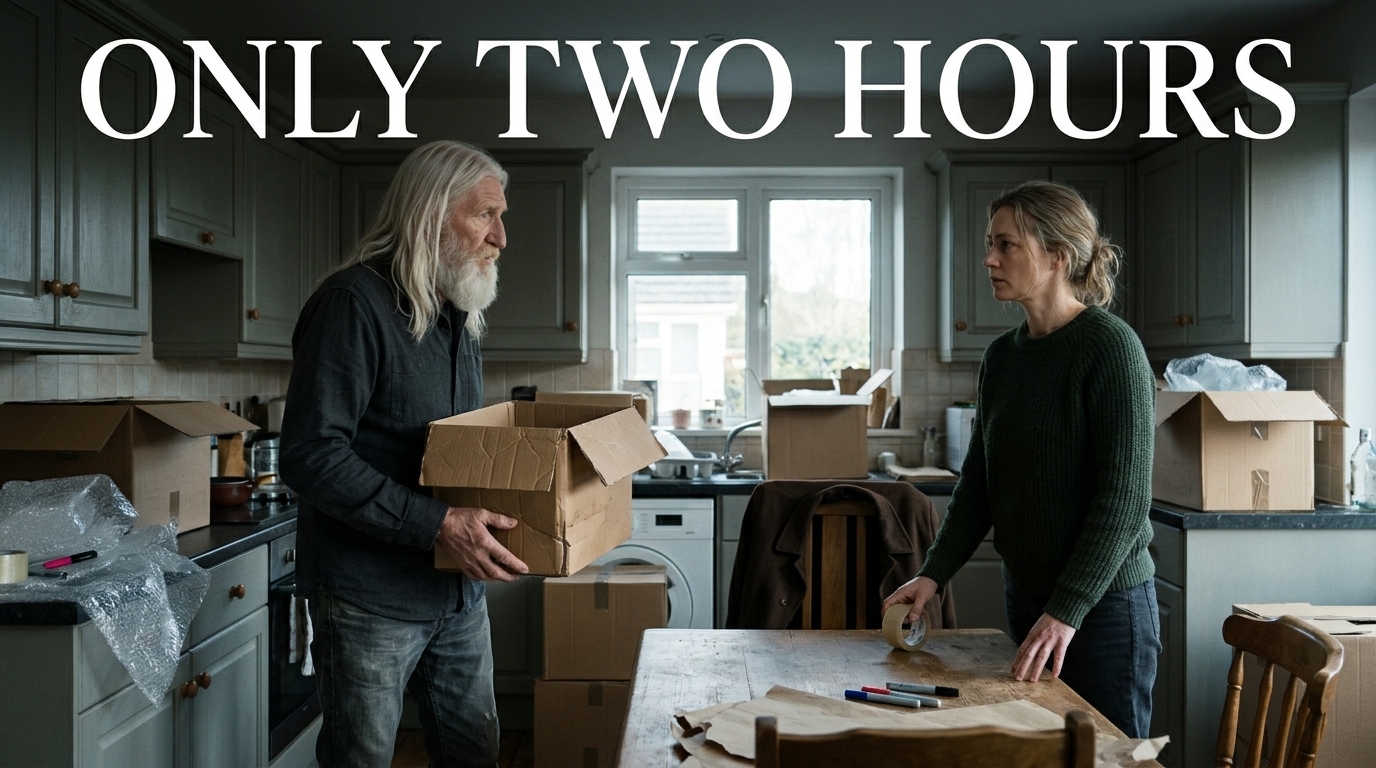
Part 2/3 — What I Had Called a Joke
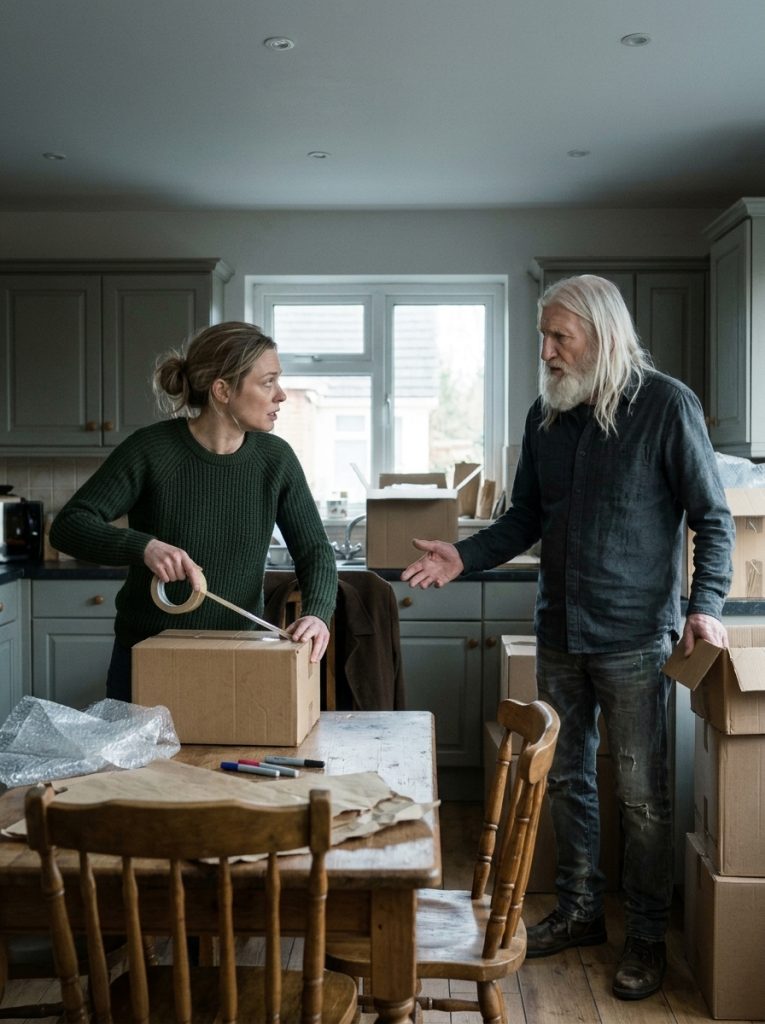
“I didn’t know she cried,” I said.
“No. You didn’t ask her that question because you wanted to know how she was.”
My first impulse was to explain my tone. I had smiled when I said it. There had been pudding on the table. Surely those things counted for something.
Instead, I asked Ruth what Ellie had said in the car.
“She asked if she ought to come over after school to make you feel better. She had an exam the next morning.”
I shut my eyes. Ellie had always been quick to clear plates, quick to offer the last biscuit, quick to notice an unhappy face. I loved that tenderness in her. I hadn’t noticed when I began using it.
“Should I call her?”
“Let me ask her first.”
I wanted to argue that a grandfather shouldn’t need permission to speak to his granddaughter. But that would have made the next conversation about what I was owed, too.
“All right,” I said.
After we hung up, I opened the drawer where I kept spare strings. Beneath them lay a birthday card from Ellie, decorated with a drawing of me holding a guitar twice my size. Inside, she had written that I made the best cheese toast.
Nothing about keeping me alive. Nothing about repairing a family. Just toast.
On Sunday morning, I tried to pack the small bedroom. I had called it Ruth’s room for twenty-four years, although the bed had long since gone and most of what remained belonged to me. There were cables in her old wardrobe and tax papers on the shelves where she had kept paperbacks.
I found a plastic folder marked FLAT. It contained measurements for a place Ruth had rented after her separation. I had drawn a plan for shelves she never asked me to build.
That brought back a different conversation.
She had stood in this room eighteen months earlier and asked if she and Ellie could stay for six weeks while the flat became available. I had said yes, of course. Then I had told her a marriage deserved more effort than a temporary feeling.
She said the feeling wasn’t temporary. I said Jean and I had survived difficult years. Ruth folded the measurements and told me she would make other arrangements.
I had described that to Len as pride. Hers.
Holding the folder, I could hear my own voice insisting that I was only trying to help.
I had offered my daughter a room, then made her defend the life she needed it for.
When Tuesday came, I cleared the kitchen table before Ruth arrived. I put two plates out, then removed them when I remembered the sandwiches. I put them back. We could eat sandwiches on plates. Not every ordinary choice needed to become a test.
She arrived at six carrying food in a paper bag. For a moment we stood awkwardly beside the table, as though somebody had introduced us at a meeting.
“Chicken or cheese?” she asked.
“Whichever you don’t want.”
“Dad. Pick a sandwich.”
“Chicken.”
She gave it to me, and we both smiled a little.
I waited until we had eaten before mentioning the folder. I had put it beside my chair, within reach, so I couldn’t conveniently forget.
“When you asked to stay here,” I said, “I made it difficult.”
She looked down at the folded paper bag.
“You told me to go home.”
“I said you could stay.”
Her face changed, and I heard myself doing it again: reaching for the technically correct words while leaving the injury untouched.
“Yes,” I said. “I said both. I kept arguing for the one I wanted.”
“Ellie was sleeping on a friend’s sofa by then. I was trying to keep things ordinary for her. I didn’t have the energy to convince you it was bad enough.”
I hadn’t known about the sofa. I remembered noticing Ruth looked tired and suggesting she should get more sleep.
“I’m sorry.”
She nodded once. There was no rush across the kitchen, no sudden easing of everything. She picked a crumb from the table and held it between finger and thumb.
“I missed you,” she said. “Even when I wasn’t answering.”
That was harder to hear than anger. Anger would have given me somewhere to push.
I told her what the unanswered calls had been like. The way I left the radio on while I ate. The foolish business of carrying my phone into the garden so I wouldn’t miss it, then pretending I hadn’t noticed when it stayed silent.
“You’d say you would call Sunday,” I said. “I wouldn’t go out.”
“I shouldn’t have promised when I wasn’t sure.”
“No, you shouldn’t.”
She accepted that. I was grateful, and ashamed of how badly I had wanted her to admit some fault before I could bear my own.
“But sometimes I didn’t call because I knew the first twenty minutes would be about how long it had been,” she said. “Then I’d put it off again.”
I couldn’t promise never to feel hurt. She didn’t ask me to. She asked whether a late call could still be worth answering.
At seven, we tackled the cupboard beneath the stairs. I had three broken lamps awaiting repair and enough extension leads to supply a fairground. Ruth held up a lampshade shaped like a tilted bucket.
“That’s beyond saving,” I said.
“I’m relieved. I wasn’t sure what qualifications you needed to pronounce it dead.”
Working helped. We could speak without staring at each other, and sometimes we could stop speaking without the silence turning hostile.
She told me about the pantry. A colleague had helped her find it when money was tight after the separation. Now she covered two Saturdays a month. She hadn’t told me because she expected a lecture about savings.
I nearly said I would have given her money. I had money enough for that, if not enough for this house. But she had needed help she could accept without defending herself. My good intentions wouldn’t change what she had expected from me.
At ten to eight, her phone chimed.
“Ellie’s bus,” she said. “I need to meet her.”
There was still a heap of cables on the floor. For one familiar second, her departure felt like a verdict on my worth.
“We got plenty done,” I said.
She stopped gathering her bag. “We did.”
Letting her leave kindly took more effort than carrying any box in the house.
Before going, she asked about moving day. The removal company was due at nine the following Friday. She could come at eleven, after a payroll deadline, and help unpack until Ellie needed collecting at four.
I had pictured her beside me when I locked the door. I had pictured not having to ask.
“I’ll arrange the morning,” I said.
After she left, I called Len. He offered to help, but he had a hospital appointment for his knee at ten. I told him to keep it. Then I rang the removal office the next morning and paid for an extra packing hour I had originally declined.
The expense meant postponing a replacement amplifier. I put the money in the moving envelope and crossed the amplifier off my list.
That afternoon, Ruth texted. Ellie didn’t want a big conversation, but I could send her a message. I wrote three versions before deleting all the explanations.
“I’m sorry I asked you to account for your mum’s visits. That wasn’t fair. You don’t need to fix anything between us. I hope your exam went well.”
She answered with a photograph of cheese toast. Burnt along one edge.
“Need more training,” she wrote.
I laughed alone in the kitchen. Then I called Ruth and asked if she could come on Thursday evening, the night before the move, just for a cup of tea.
“There’s something I’d like to ask you,” I said. “And this time I’ll ask it properly.”
⬇️ CLICK Page 3 to Read Part 3 ⬇️